Discover our original, high-performance master controllers and digital stage elements built for ultimate integration.
From simple analog dimmers to high-frequency, multi-protocol system architectures: exploring the trends driving intelligent lighting networks.
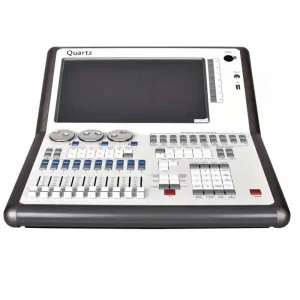
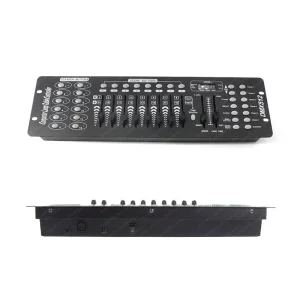
Modern architectural lighting and nightclub designs have evolved beyond static illumination. Today, master control consoles must handle complex computational commands to translate high-definition video inputs into real-time kinetic configurations. The integration of DMX-512, Art-Net, and sACN protocols has paved the way for massive data networks capable of driving tens of thousands of channels simultaneously. By utilizing DVI/HDMI signal outputs alongside specialized Madrix hardware controllers, systems designers can design complex, volumetric 3D light animations seamlessly mapped over dozens of individual LED matrices.
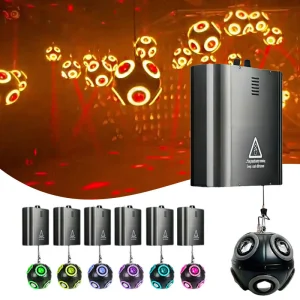
The industry is seeing an accelerated transition toward centralized kinetic master systems that govern both the mechanical hoist speed and the pixel-level color mixing profiles. This paradigm shift requires specialized controller manufacturers to deliver hardware solutions capable of microsecond latency synchronization, ensuring that moving elements behave with fluid precision.
Another major trend reshaping the global controller landscape is the integration of embedded machine learning algorithms within lighting consoles. Instead of requiring lighting directors to program thousands of cues manually, next-generation master controllers employ algorithmic design patterns to generate real-time music visualizer effects, automatically matching the mood, BPM, and complex frequency structures of incoming audio streams. This AI-powered automation decreases setup times on site, lowers labor overhead, and provides dynamic adaptive layouts for nightclubs and experiential installations worldwide.
By routing control frames over standard Ethernet infrastructures, modern setups can manage over 256 universes of DMX through a single Cat6 line, bypassing traditional physical port bottlenecks.
Next-gen control chipsets with integrated field-programmable gate arrays (FPGAs) ensure zero frame drops, maintaining fluid rendering on high-speed kinetic LED systems.
Industrial lighting environments are susceptible to power spikes. Optical isolation prevents signal backfeed from damaging expensive core controller consoles.
Navigating compliance standards, manufacturing precision, and long-term lifecycle warranties in the commercial lighting space.
For global project developers and procurement directors representing high-capacity night venues, stadiums, and concert promoters, selecting a controller manufacturer extends beyond unit cost evaluation. High-performance projects require strict adherence to international electrical certifications such as CE, FCC, and RoHS. Reliability is paramount: a single controller failure can disrupt a live show, resulting in severe financial and reputational losses.
Furthermore, savvy global buyers prioritize modular design compatibility, SDK accessibility for integration into third-party AV control platforms (like Crestron, Q-SYS, or Resolume), and comprehensive customer support contracts. This is why leading Chinese factories have structured one-stop engineering pipelines that include custom PCB layout designs, custom software compilation, and dedicated 3D visualization dry-runs prior to overseas shipping.
How specialized industrial clusters deliver cost optimization, strict quality controls, and unmatched speed-to-market.
Guangdong province stands as the absolute center of the global LED and lighting hardware industry. The concentrated ecosystem facilitates deep supply chain integration. Raw material extraction, component sourcing, high-speed SMT assembly, and final compliance testing happen within a small geographical radius. This integration minimizes transit bottlenecks and allows factories to adapt to changing component requirements within days.
By combining computerized manufacturing execution systems (MES) with strict ISO9001 guidelines, specialized manufacturers like Xiaosan guarantee consistent tolerances across thousands of control consoles and mechanical kinetic hoists. Sourcing directly from Guangdong factories offers global clients shorter lead times, highly competitive shipping networks, and direct access to R&D engineers who can customize firmware to exact project parameters.
A professional look at the functional thresholds, bandwidth capacities, and typical scenarios of leading lighting control protocols.
| Protocol / Controller Type | Transmission Medium | Max Channel Count | Optimal Topology | Ideal Application Scenario |
|---|---|---|---|---|
| DMX-512 (Standard Console) | EIA-485 / XLR Cable | 512 channels per universe | Daisy Chain (Bus) | Small to medium stages, basic moving heads, and static par lights. |
| Art-Net (Ethernet Interface) | Cat5e/Cat6 RJ45 Cable | Up to 32,768 universes | Star Topology via Network Switch | Large-scale concerts, complex club setups, and pixel-mapped LED facades. |
| sACN (ANSI E1.31 Streaming ACN) | Standard IP Networks | Up to 63,999 universes | Multicast network switch arrays | Large-scale architectural installations, dynamic theme parks, theatrical stages. |
| Online DVI/HDMI (Madrix Master) | HDMI / Optical Fiber | Unlimited (Video-pixel mapped) | Matrix distribution networks | High-definition 3D pixel tubes, smart Rubik cubes, and video-synchronized LED walls. |
How state-of-the-art DMX controllers and kinetic hoist units integrate into diverse entertainment structures.
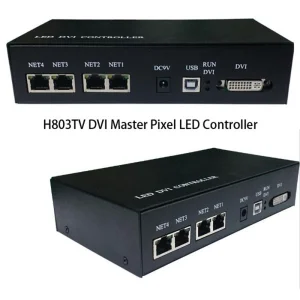
Modern club spaces deploy synchronized master-slave setups utilizing controllers like the H803TV Madrix Master Controller to map complex geometric movements over hanging smart light grids, creating fluid overhead lighting motion.
Large exterior displays and commercial exhibitions rely on weatherized controller clusters. By integrating sACN protocols, designers control thousands of pixels over extensive distances with minimal signal degradation.
Discover the history, production capability, and core leadership behind our custom-engineered lighting control systems.
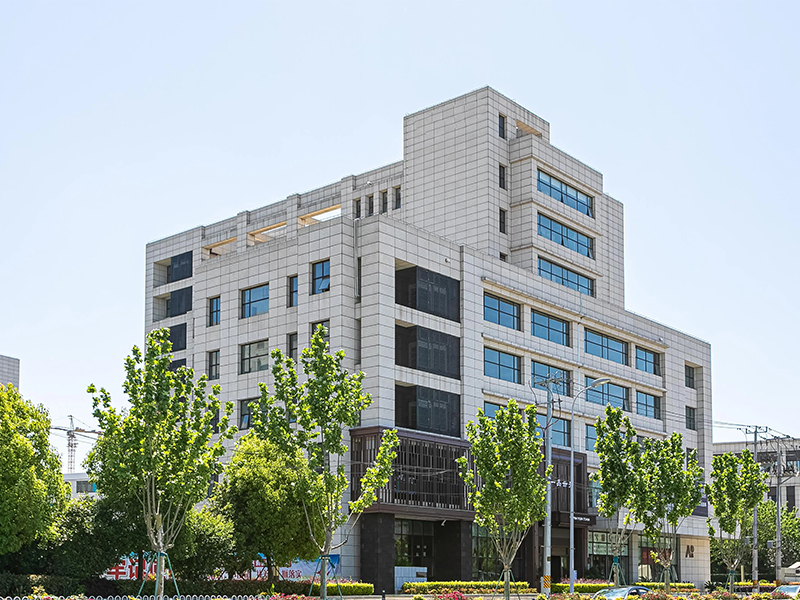
Xiaosan was established in 2019 by Mrs. Ami Q and her husband Mr. Ahren Z in Guangdong province, China. Xiaosan operates a professional production facility specializing in advanced LED lighting and control solutions for nightclubs, entertainment venues, and live events. The company's diverse product portfolio features lifting spherical lights, kinetic winches, moving heads, LED acrylic tables, 3D corn lights, and high-performance console interfaces.
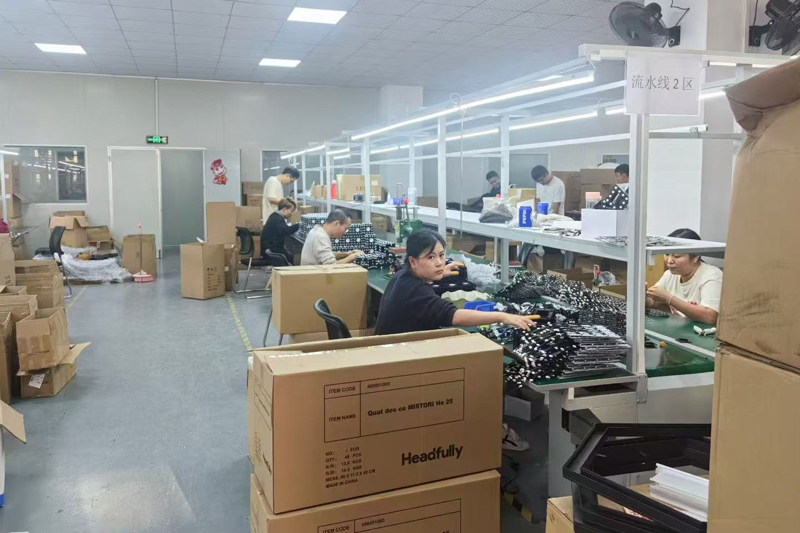
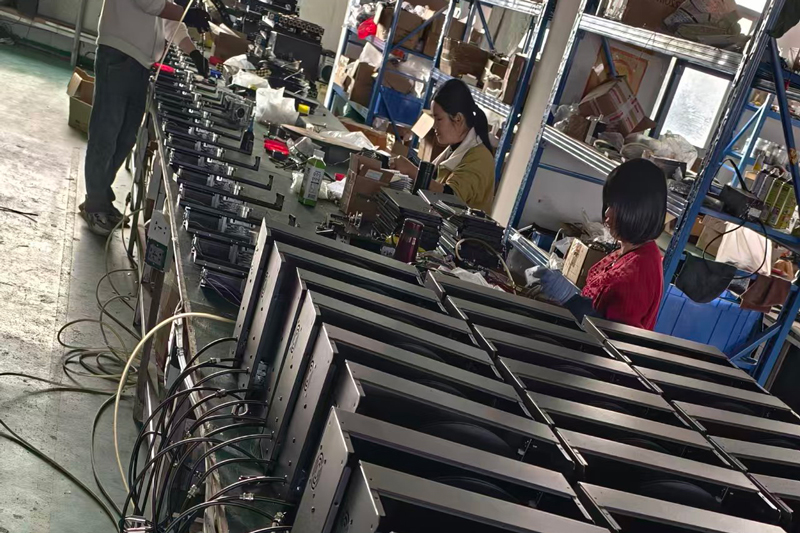
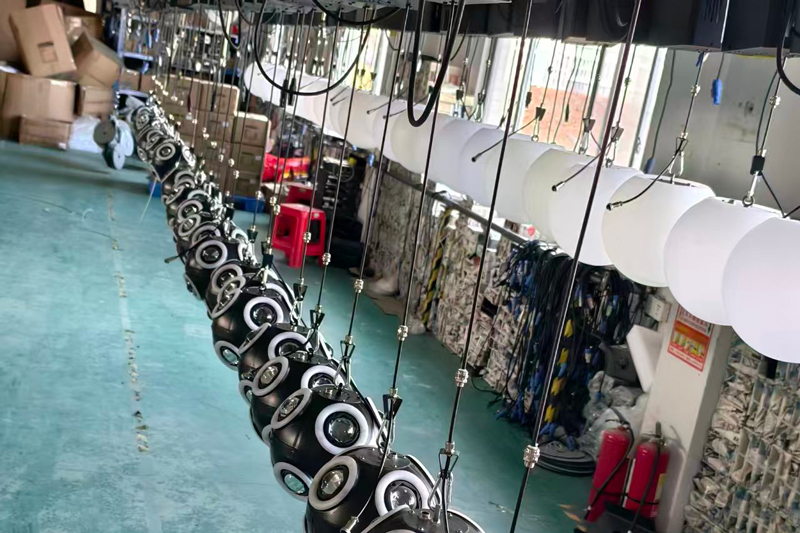
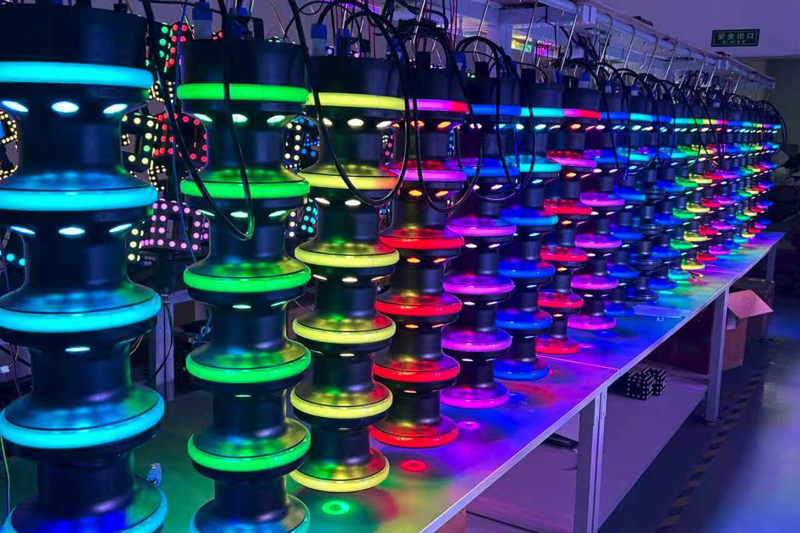
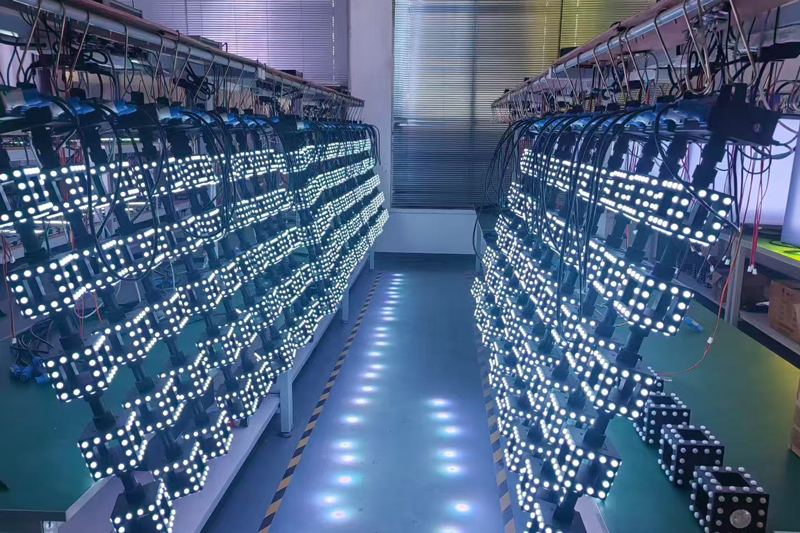
Our production facility spans a 1,000 square meter area, housing advanced manufacturing equipment and a complete R&D team. With 30 experienced employees specializing in lighting technology, we ensure that every batch of controllers and light modules meets high industry standards. Beyond equipment manufacturing, Xiaosan provides comprehensive, end-to-end integration support, including 3D pre-visualization design, installation support, and system programming.
Built on the principles of innovation, quality, and service, Xiaosan offers a 3-year warranty on all products. Our dedicated support team provides 24-hour multilingual assistance to ensure smooth operation for over 30,000 clients across 30 countries.
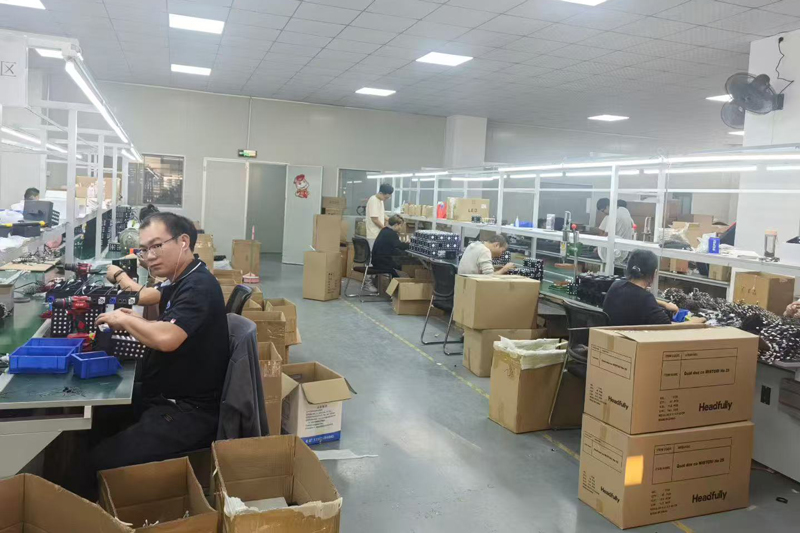
A look inside our manufacturing processes, SMT assembly floor, and quality assurance testing facilities.
Answers to common technical, manufacturing, and configuration questions from procurement directors and system designers.
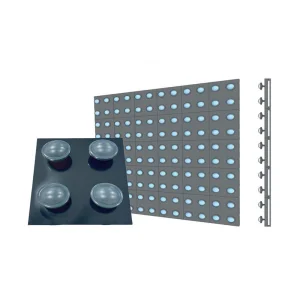
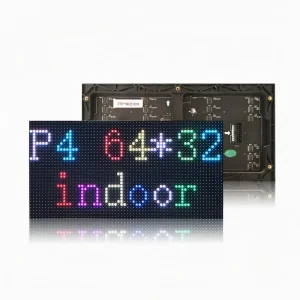
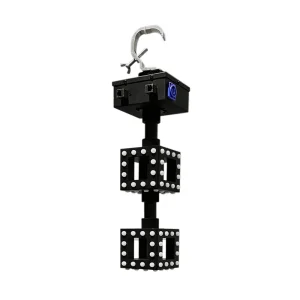
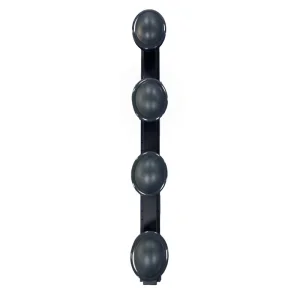
Complementary products and LED display elements designed to work with our master control systems.
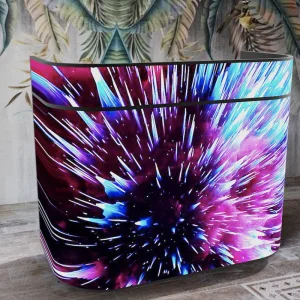
 Xiaosan Light