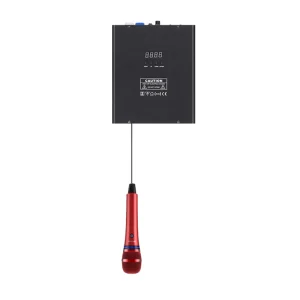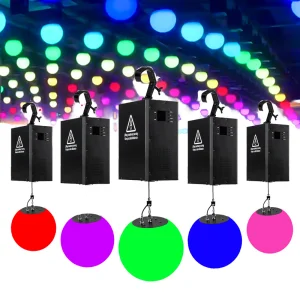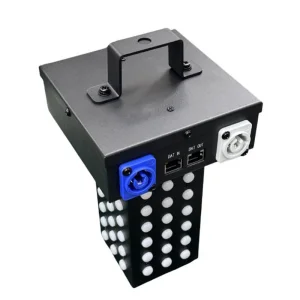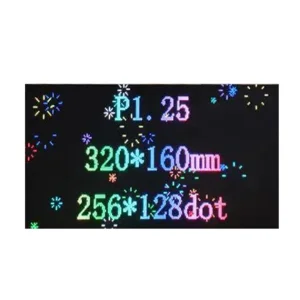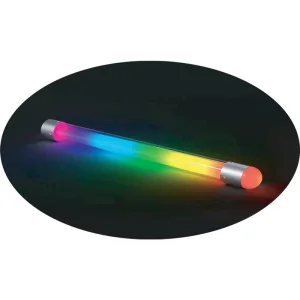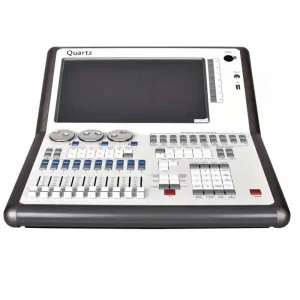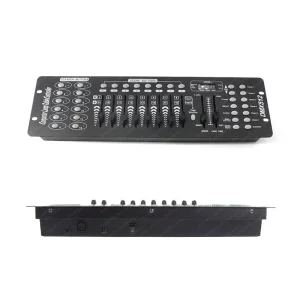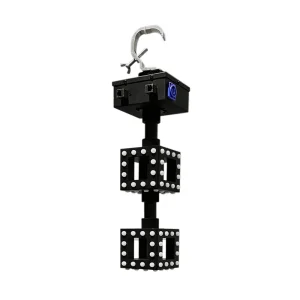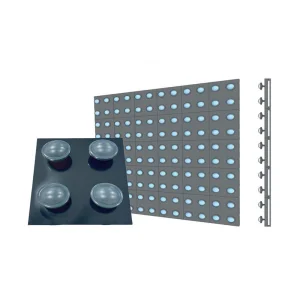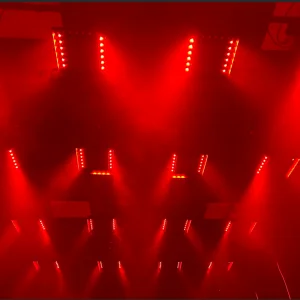
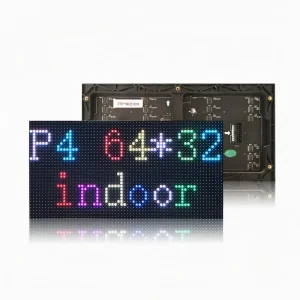
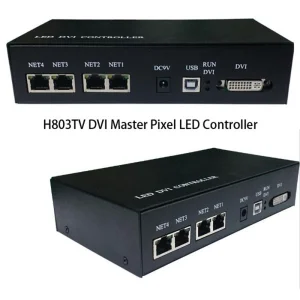
The demand for state-of-the-art illumination systems has shifted dramatically from static light setups to dynamic, pixel-mapped, and kinetic architectural lighting. Today, global commercial installations, international concerts, and high-tier entertainment venues require high-performance hardware that integrates seamlessly with software control protocols. Driven by rapid advancements in micro-electronics and real-time network integration, lighting fixtures must act as interactive elements.
In industrial and massive commercial architectures, lighting is no longer merely functional. It serves as a visual narrative. Designers are blending advanced DMX-controlled fixtures with architectural surfaces to produce structural animations. To remain competitive in this shifting market, buyers look beyond traditional luminance indicators to evaluate factors such as refresh rate, protocol compatibility, precision motion mechanical systems, and multi-year structural reliability.
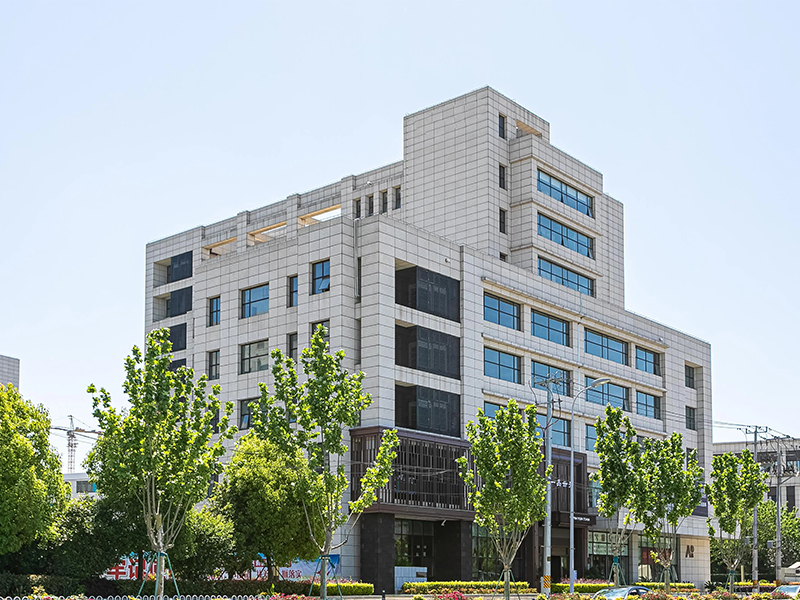
South China, specifically Guangdong Province, stands as the global epicentre of LED manufacturing. This cluster integrates structural design, PCB printing, optics formulation, mechanical tooling, and precision assembly lines into a streamlined industrial matrix.
Every step, from raw aluminum extrusion for heat dissipators to specialized microcontrollers and custom optical lenses, is sourced within a 50km radius. This geographic concentration drastically reduces supply chain disruptions and speeds up customized development.
With fully equipped in-house testing labs, manufacturers can transform CAD drafts and pixel-layout schematics into fully functional physical prototypes in just a fraction of the time required by international counterparts.
Modern factories employ advanced testing chambers for high-low temperature runs, IP65/IP66 ingress tests, mechanical stress assays on kinetic winches, and electromagnetic compatibility tests to ensure compliance with global certifications.
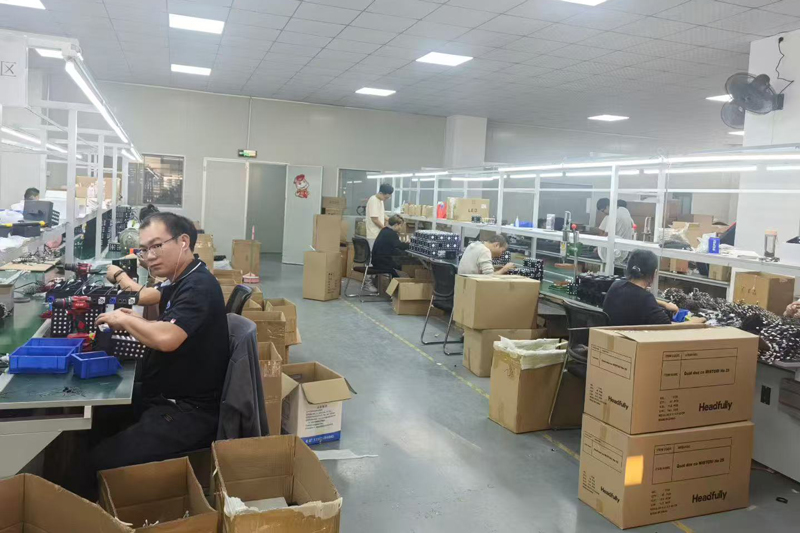
Xiaosan was founded in 2019 by Mrs. Ami Q and her husband, Mr. Ahren Z, in Guangdong Province. The enterprise was built with a clear vision: to design and deliver professional LED lighting solutions that resolve engineering and control challenges for nightclubs, concerts, DJ discos, and upscale entertainment spaces.
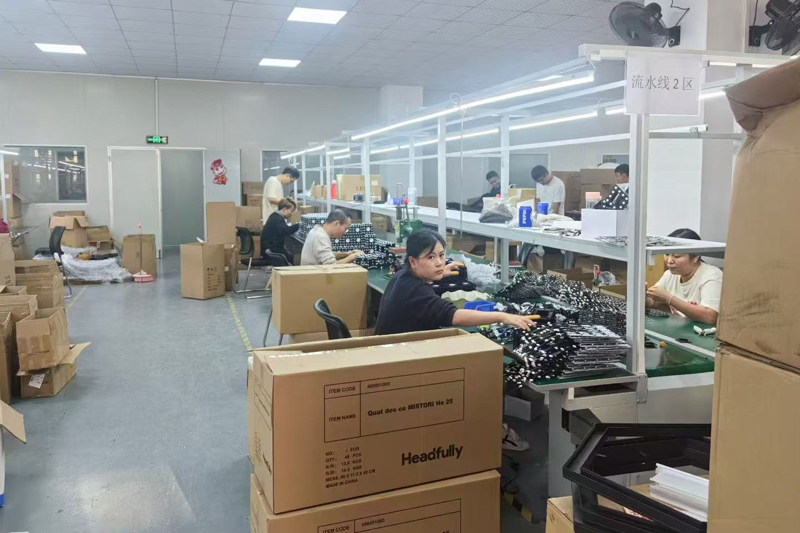
Spanning a specialized production footprint of 1,000 square meters, the facility integrates automated assembly setups and custom design workstations. Supported by a highly focused team of 30 lighting specialists, mechanical engineers, and control specialists, Xiaosan ensures that every kinetic winch, 3D effect device, and LED matrix module operates with extreme precision.
"We align structural mechanics with custom programming. Our stage elements are designed to be both expressive and robust, built for long-term use." — Mr. Ahren Z, Co-Founder
Xiaosan manages the entire lifecycle of your project, from initial concept drawings and detailed 3D renderings to structural calculations, installation guidelines, and post-installation software mapping.
Our systems interface natively with industry-standard protocols, including DMX512-A, Art-Net, sACN, DVI, and HDMI. This compatibility guarantees glitch-free synchronization between audio inputs and kinetic movement.
Every kinetic lift module and structural component undergoes rigorous cycle-run tests, simulating months of continuous movement. This process ensures smooth operation and safety in crowded public environments.
Transparent manufacturing processes ensure quality and reliability for our global partners.
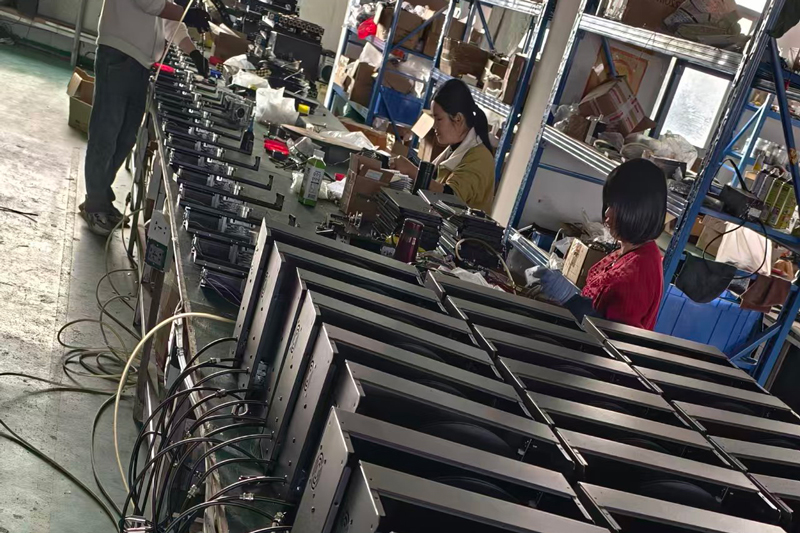
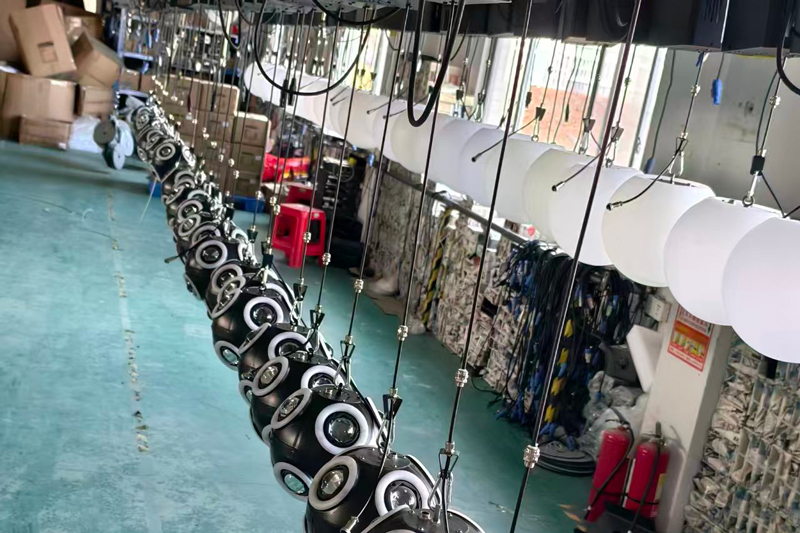
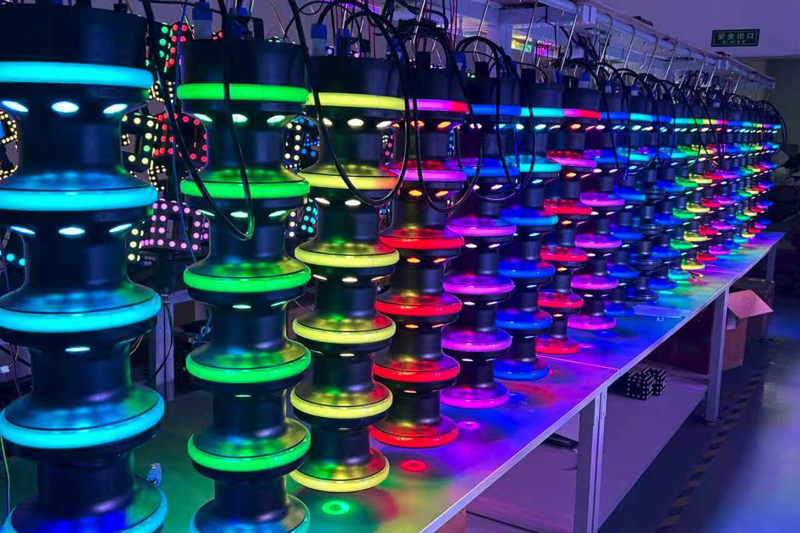
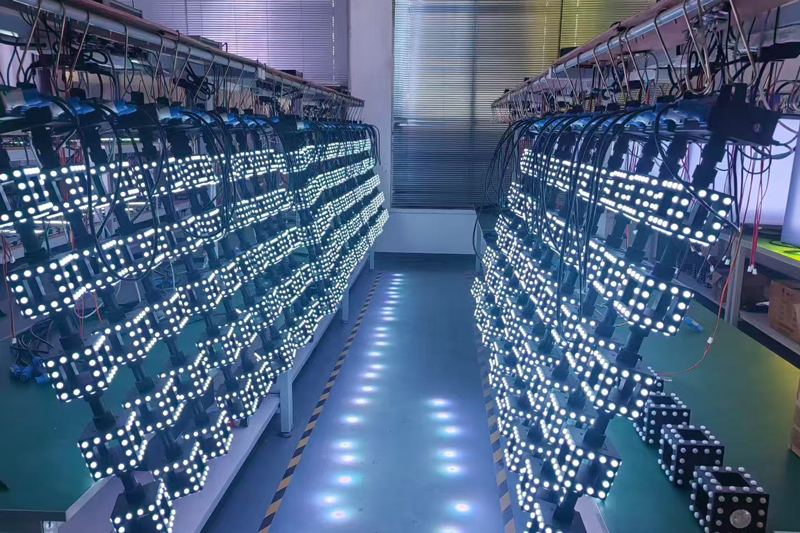
Sourcing specialized electronic hardware from China requires a structured vetting process to ensure compatibility, longevity, and project safety. Professional buyers should utilize this checklist to evaluate factory qualifications and streamline their procurement:
Confirm that your manufacturer's controllers support universal protocols (like Art-Net and DMX512) to avoid compatibility issues. Using open protocols guarantees your hardware will interface smoothly with existing control booths and software suites.
For kinetic machinery like winches and lifting structures, ask for dynamic load ratings, motor heat signatures, and details on integrated safety systems (such as electromagnetic brakes and overload cutoffs).
LED lifespan depends heavily on efficient heat dissipation. Review the housing designs to ensure the fixtures use high-grade aluminum alloys rather than thin plastic moldings, which can cause color shift and premature diode failure.
 Xiaosan Light