 Xiaosan Light
The Landscape of the Bangkok Indoor LED Market
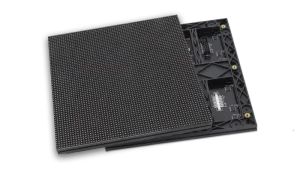
The city of Bangkok, serving as the commercial, financial, and tourist hub of Thailand, has experienced an unprecedented surge in digital infrastructure integration. From world-class shopping megaplexes like Siam Paragon, IconSiam, and CentralwOrld, to corporate headquarters along Sathorn and Sukhumvit Road, the visual landscape is transforming. Traditional static advertising and low-contrast LCD screens are rapidly being phased out, replaced by modular, high-contrast, energy-efficient indoor LED display walls.
This massive digital transformation is largely fueled by the Thai government’s Smart City Initiatives under the Thailand 4.0 policy, which promotes the digitization of commercial sectors. However, Bangkok’s unique environmental factors—such as prolonged high temperatures, high relative humidity levels, and frequent grid fluctuations—place specific demands on hardware. LED panels imported into this market must possess superior thermal dissipation and robust moisture proofing to prevent premature pixel degradation, highlighting the necessity of purchasing directly from high-caliber Chinese factories.
Evolving LED Industry Trends: Why Pixel Pitch & Refresh Rates Matter
Understanding the technical shift in the LED manufacturing sector is critical for purchasing managers, systems integrators, and project coordinators in Southeast Asia. Here are the core developmental directions dominating the current procurement cycles:
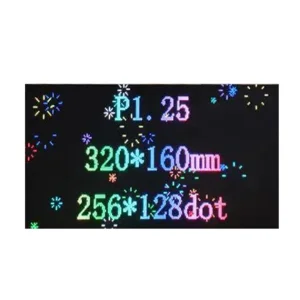
- Fine Pixel Pitch (P1.25 to P1.87): Ideal for close-up viewing environments such as corporate meeting rooms, luxury retail brand displays, and digital control hubs. Sourcing fine-pitch P1.25 modules provides an seamless display visual, matching the quality of typical flat-panel displays but without visible bezels.
- High Refresh Rates (≥3840Hz): For stage rentals, event spaces, and high-end nightclubs in Bangkok’s Ekkamai or Thonglor districts, high refresh rates are non-negotiable. Lower refresh rates cause visual flickering under modern smartphone cameras, degrading social media exposure for clubs and live performances.
- SMD vs. COB (Chip on Board): While Surface Mounted Device (SMD) encapsulation remains the dominant, cost-efficient standard for P2.0–P4.0 displays, COB is gaining traction for sub-P1.2 modules due to its superior physical protection against moisture, impact, and electrostatic discharge.
Key Technical Selection Parameters for Bangkok Projects
| Pixel Pitch (mm) | Optimum Viewing Distance | Common Applications (Bangkok Context) | Recommended Drive Method | }
|---|---|---|---|
| P1.25 | > 1.25 Meters | Corporate Boardrooms, Command Centers, High-end Broadcast | 1/32 Constant Current Scan |
| P3.0 | > 3.0 Meters | Shopping Mall Inner Wall Screens, Large Church Auditoriums | 1/16 - 1/32 Constant Current Scan |
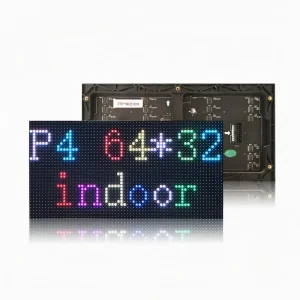
| P4.0 | > 4.0 Meters | Exhibition Centers (BITEC, IMPACT), Rental Stages, Sports Bars | 1/8 - 1/16 Constant Current Scan |
Global Sourcing Challenges & China Factory 4.0 Integration
Procuring LED modules from overseas requires navigating complex logistics, tariff classifications, and quality control systems. Under the ASEAN-China Free Trade Agreement (ACFTA), importers in Thailand can benefit significantly from utilizing Form E certificates to clear customs with zero or reduced import tariffs. However, to leverage this economic edge, purchasing agencies must select manufacturing partners who can provide complete trade documentation.
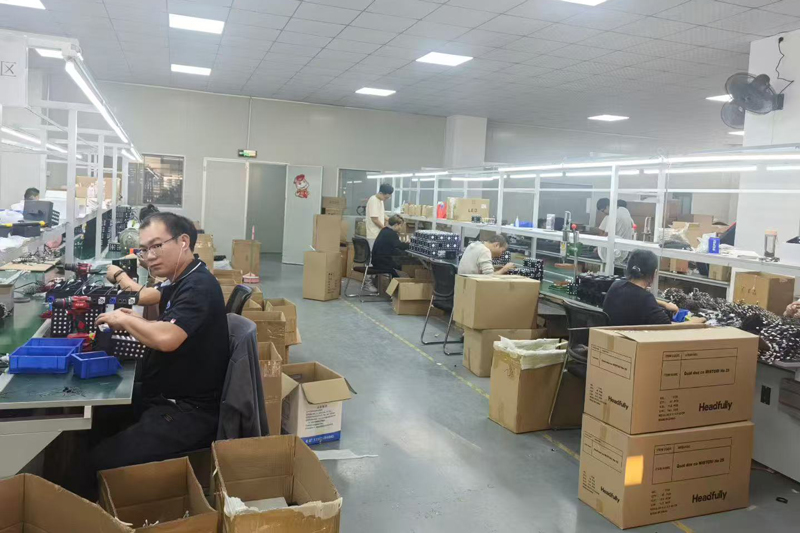
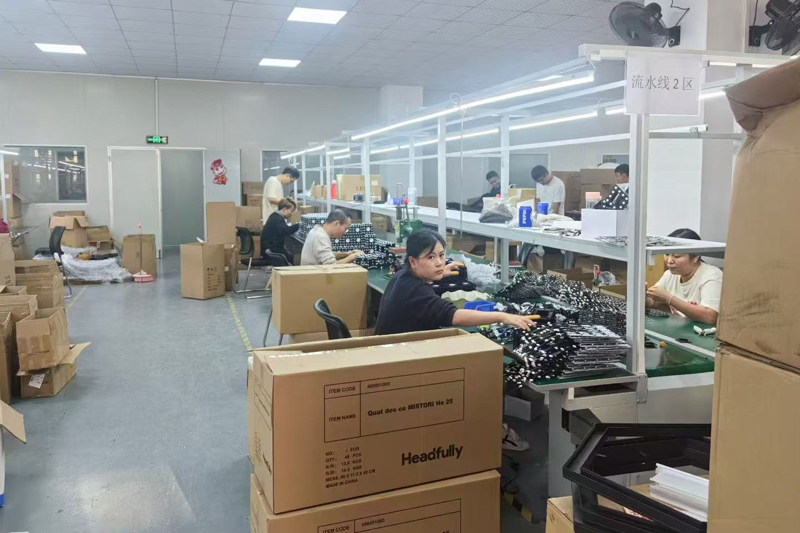
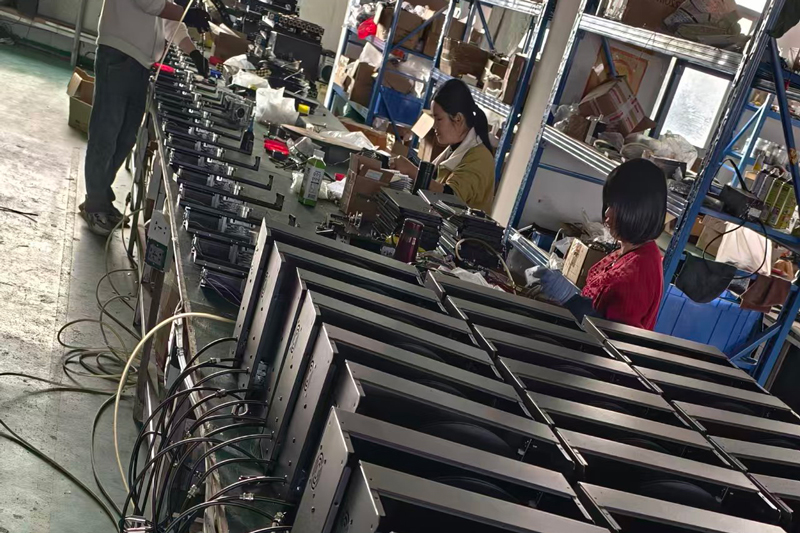
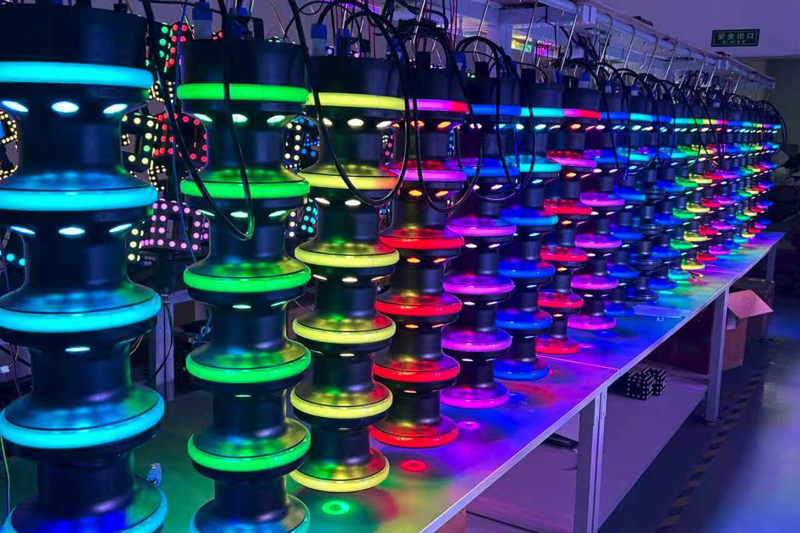
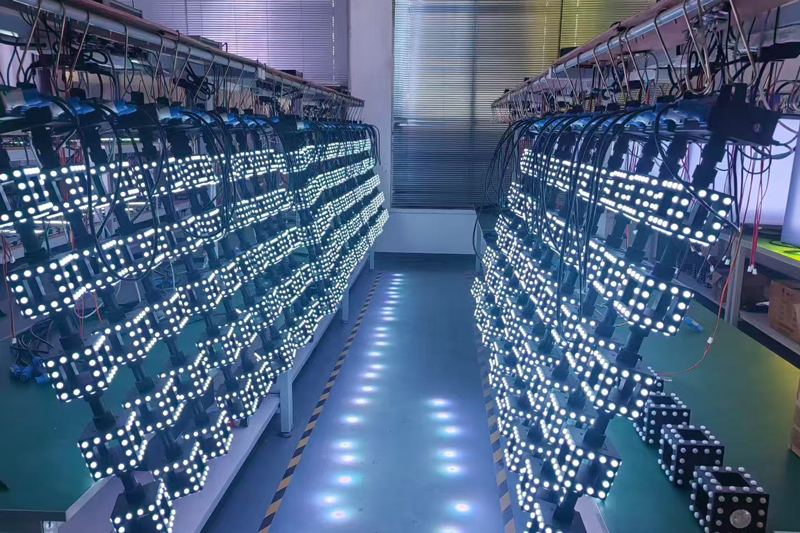
At our Industry 4.0 production facility in Guangdong, China, we address these challenges through automated assembly lines, high-speed SMT placement machinery, and rigorous automated optical testing (AOI) to eliminate dead pixels prior to packaging. We maintain a reliable supply chain by sourcing raw materials directly from tier-one component suppliers, ensuring stable IC driver performances, high-grade silicon adhesives, and reliable power supplies that withstand continuous, long-term operation under humid tropical climates.