Engineered for absolute performance, high-speed signal distribution, and robust mechanical lifespans. Our products undergo rigorous QA testing under international staging standards.
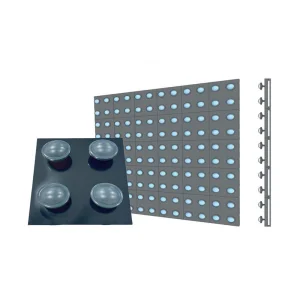
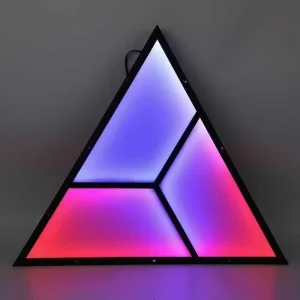
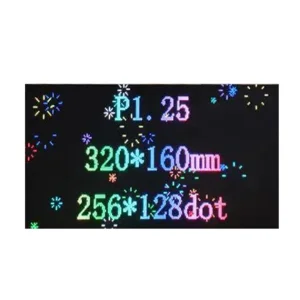
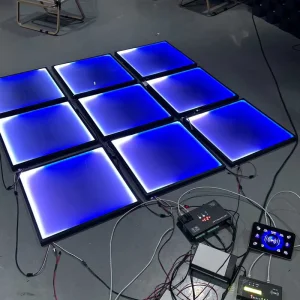
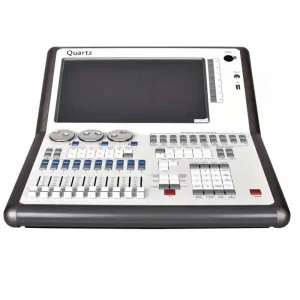
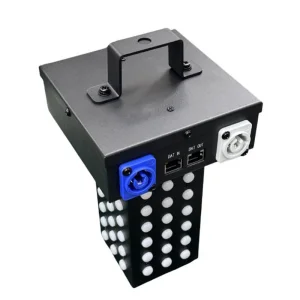
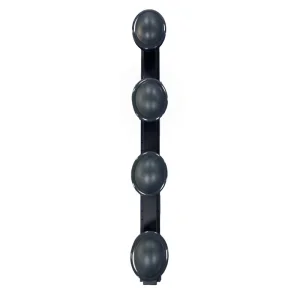
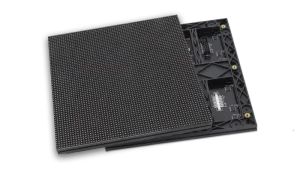
The global commercial and entertainment lighting market has shifted from basic analog illumination to complex, hyper-connected digital ecosystems. Modern entertainment venues, architectural wonders, and industrial facilities demand microsecond response times and bulletproof transmission protocols. Protocols like DMX512-A, Art-Net, sACN, and RDM (Remote Device Management) serve as the backbone of contemporary spatial design, facilitating synchronized control over thousands of pixels, mechanical winches, and moving fixtures.
For procurement officers, building engineers, and stage designers, finding reliable OEM lighting control system factories is paramount. A control system must handle extreme duty cycles, offer diagnostic feedbacks, and feature complete physical isolation barriers (such as optical isolation) to prevent electrical feedback from destroying master consoles. High-efficiency power delivery and smart thermal management are no longer options; they are core requirements for safety certifications and reliable long-term operations.
How emerging technological advancements are reshaping the boundaries of interactive spaces and industrial lighting ecosystems.
Transitioning from heavy multi-core cabling systems to wireless control matrices. By utilizing high-frequency, encrypted CRMX (Wireless DMX) and cloud-managed gateways, operators deploy networks with minimal latency and maximal flexibility across larger footprints.
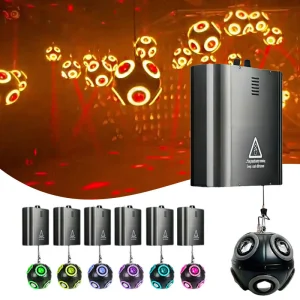
Combining dynamic lighting with motorized structural winches. True three-dimensional lighting arrays require control systems capable of calculating spatial coordinates and mechanical safety limits in real-time, matching pixel mapping algorithms.
Stricter global policies (such as Title 24 in California and ErP in the EU) push factories to integrate intelligent standby modes, constant lumen output controls, and deep ambient light monitoring algorithms directly into custom driver hardware.
Founded in 2019 by Mrs. Ami Q and Mr. Ahren Z in Guangdong, China, Xiaosan is a professional high-tech manufacturing enterprise specializing in custom LED lighting and intelligent control solutions.
From initial design draft and 3D simulation down to final assembly, testing, and system commissioning. We provide tailor-made firmware, customized PCB chassis layouts, and branding to meet strict international bidding needs.
We believe reliability dictates brand longevity. Every kinetic controller, DMX splitter, and LED driver comes backed by an industry-leading three-year warranty. We utilize first-class brand-name semiconductors and capacitors.
Operating out of Guangdong's hardware cluster allows us to optimize raw material procurement costs, passing on the savings directly through competitive factory-direct pricing without cutting corners on component specifications.
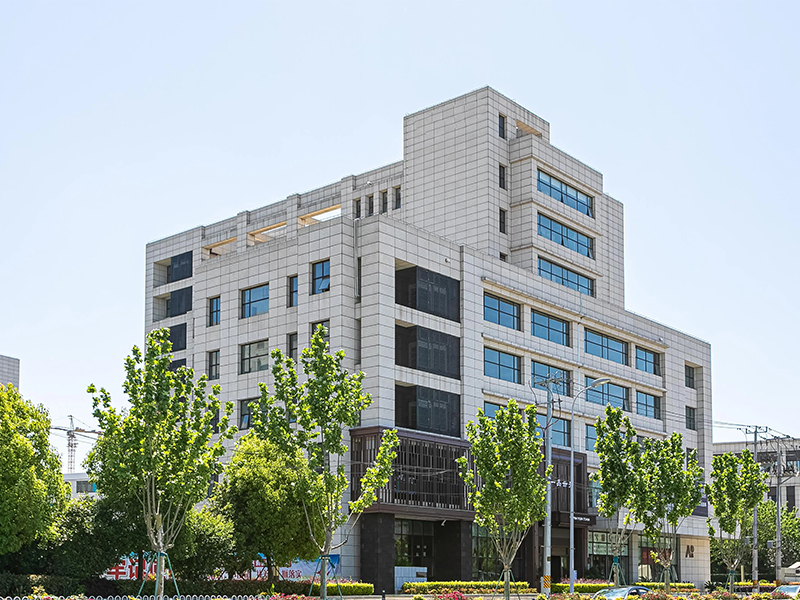
Guangdong is recognized as the world's epicentre for optoelectronics manufacturing. The industrial density of the Pearl River Delta ensures that microcontrollers, IC chips, structural steel, aluminum enclosures, and specialized optics are sourced within a 50-kilometer radius. This close integration allows Xiaosan to deliver rapid physical prototyping cycles, shifting custom engineering designs into batch manufacturing within weeks rather than months.
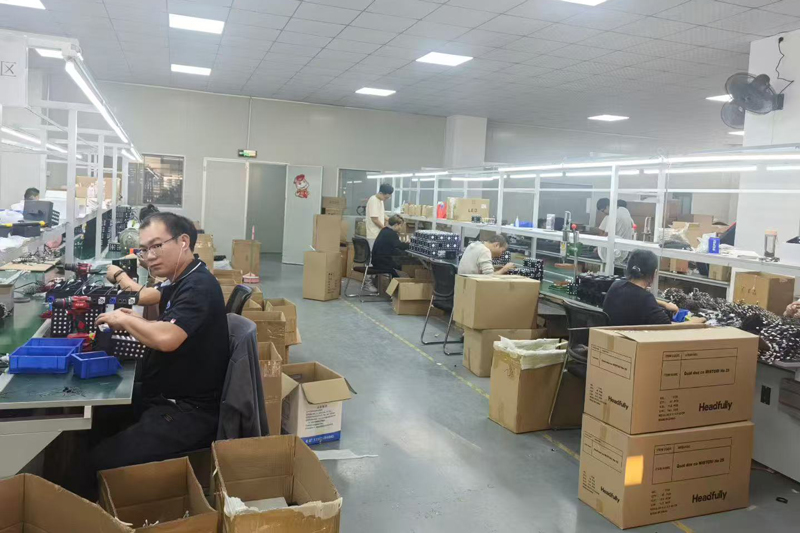
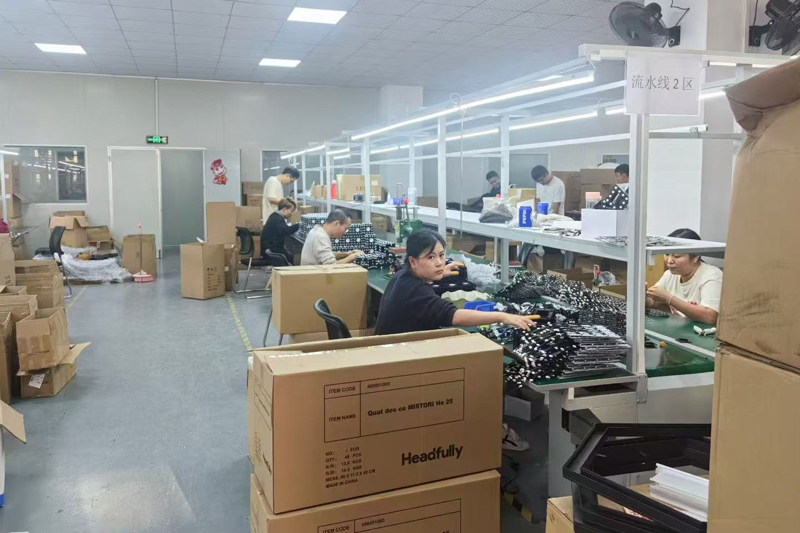
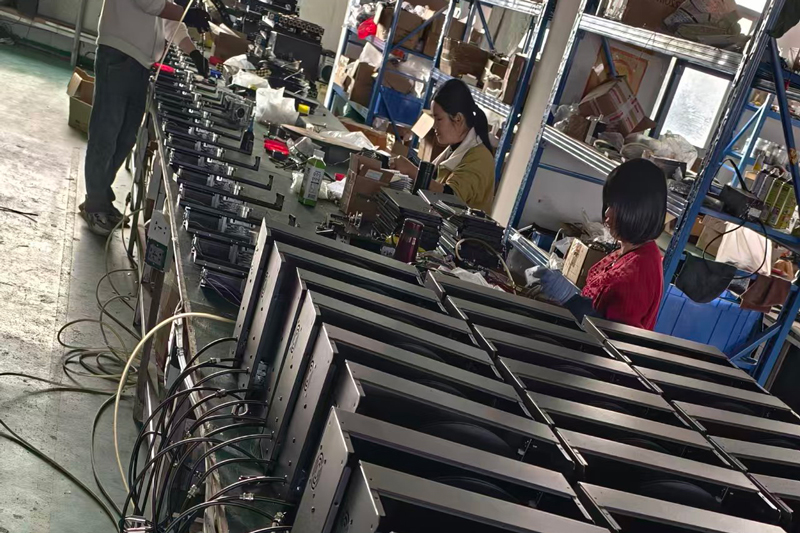
Our facility runs under lean-six-sigma principles. Utilizing automated surface mount technology (SMT) machines, robotic soldering lines, and state-of-the-art climate test chambers, we guarantee consistent quality across high-volume production. This industrial advantage shields our clients from volatile components pricing while providing the high quality control standard expected by world-class installations.
From high-intensity nightclubs to complex architectural setups, our systems are optimized for specific industrial applications.
Intense vibration, high dust density, and long duty cycles require controllers with heavy galvanic isolation and dust-proof chassis designs. Our system works flawlessly under hot, continuous-use configurations.
Integrating mechanical winch systems requires precise 3D math and synchronous feedback systems. Our controllers feature integrated safety circuits that stop mechanical motion in the event of dmx signal drops.
Architectural installations depend on long-distance network protocols. By utilizing fiber optic media converters and web-based system scheduling, our solutions manage building lights across large distances.
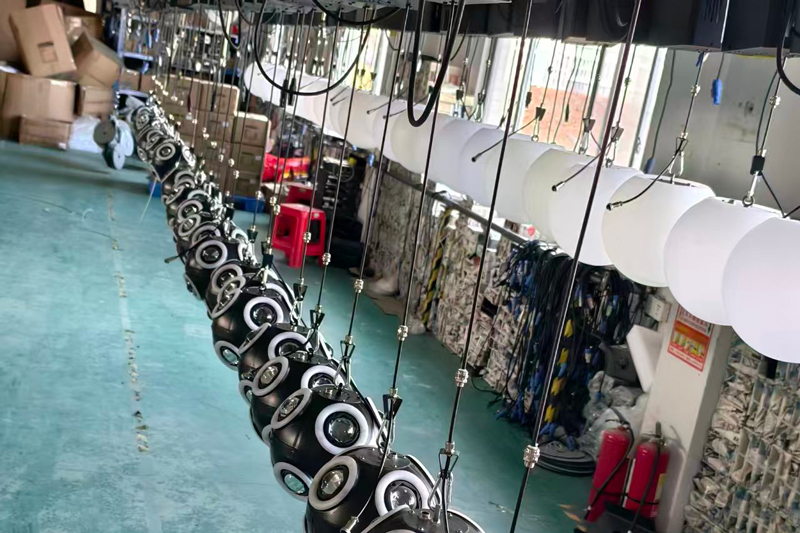
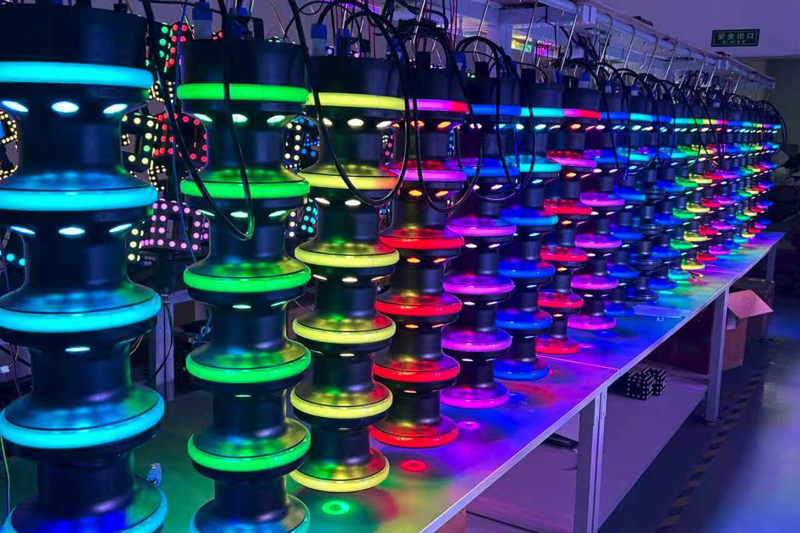
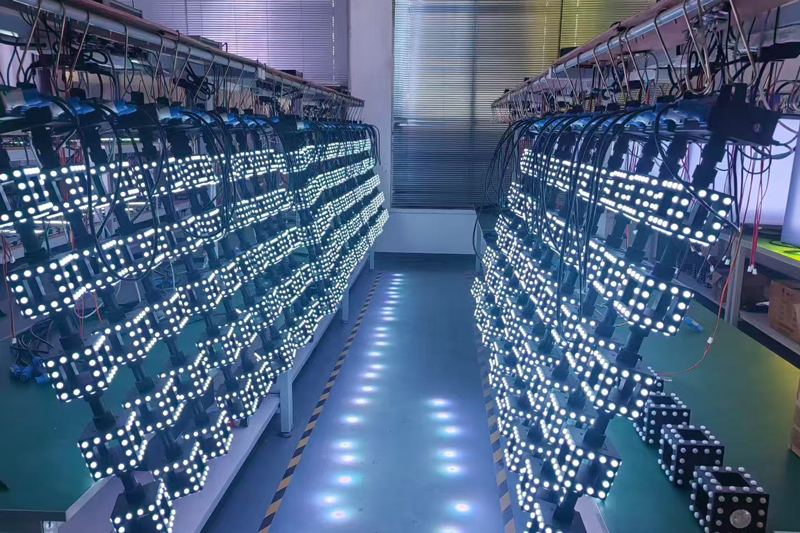
Take a visual tour of Xiaosan's production lines, testing laboratories, and inventory hubs, ensuring consistent standard output.
Technical clarifications regarding production processes, custom firmware modifications, and staging signal routing protocols.
Yes. Our engineering division specializes in writing custom microcode and configuring network processor modules. We can integrate ethernet RJ45 nodes that convert high-channel sACN or Art-Net inputs into standard physical DMX512 XLR outputs directly on the board.
All our high-channel staging and architectural control systems utilize dual-channel optical isolation. This structure disconnects control CPU circuitry from physical outputs, saving central processors from being fried if a lighting fixture suffers high-voltage leakage.
Since our launch in 2019, we have established dedicated logistic partnerships covering air, sea, and rail freight. Our sales team delivers multilingual 24-hour online technical and purchasing support, ensuring seamless operations for overseas clients.
Yes. The 3-year warranty covers all structural, motor driver, and processor elements. While consumable wear items like steel cords have distinct service schedules, the core motor system, internal control interfaces, and gear assemblies are fully covered.
Our products are engineered to conform with CE, RoHS, and FCC parameters. For major architectural projects, we work directly with clients to pass local building code inspections and compliance audits prior to mass shipping.
Standard hardware modifications (such as chassis adjustments or custom connector pins) typically take 10-14 days. Full custom circuit development, complete with initial prototyping, testing, and production runs, is normally completed within 4-6 weeks.
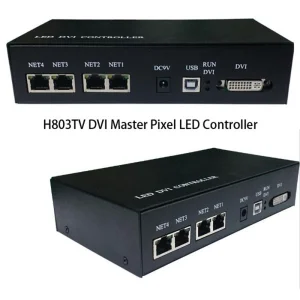
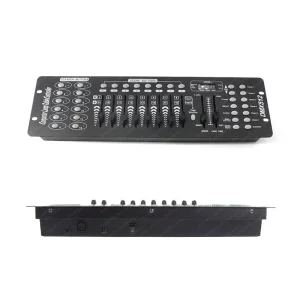
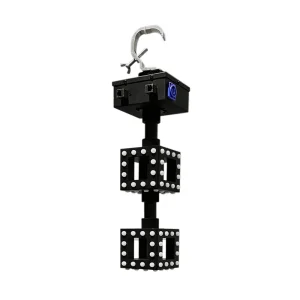
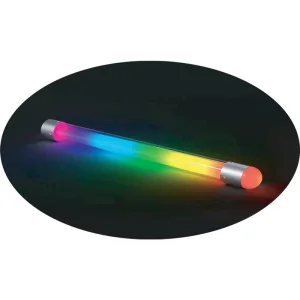
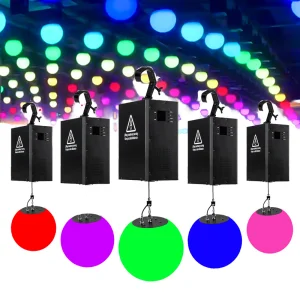
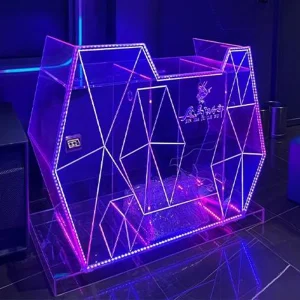
Explore our specialty lineup of DMX matrix controllers, dynamic kinetic ball arrays, and custom DJ interfaces optimized for modern venues.
 Xiaosan Light