 Xiaosan Light
Executive Briefing: The Architecture of Modern Club & Entertainment Lighting
The global nightlife and live entertainment ecosystem is undergoing a dramatic structural transformation. Modern venues are transitioning away from localized static illumination toward integrated, high-refresh-rate, kinetic-responsive neural networks of light. As lighting designers and B2B global sourcing directors demand absolute signal synchronization, low-latency DMX pathways, and physical structural integrity, selecting the right ODM/OEM engineering partner is paramount to operational uptime and spatial monetization.
1. Global Nightclub & Stage Lighting Trends
The contemporary entertainment landscape demands immersive spaces. Venues must offer hyper-personalized, reactive atmospheres to retain clientele and drive revenue. This paradigm shift has given rise to three core technological trends:
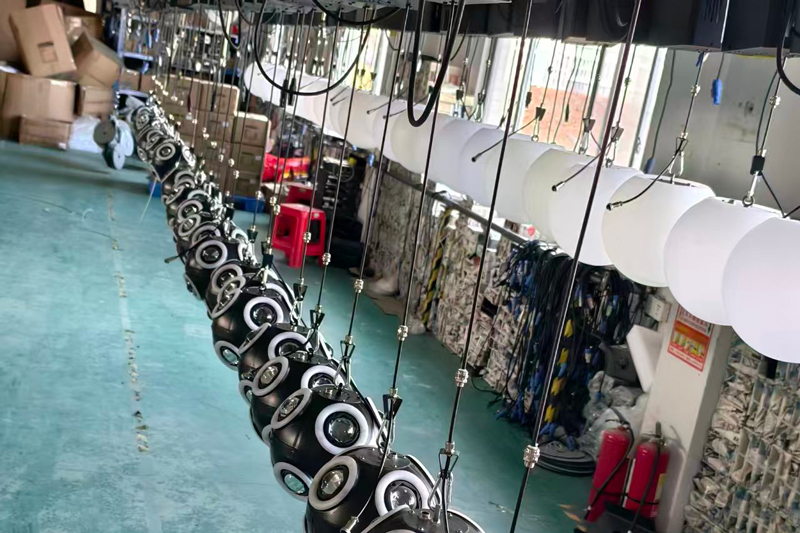
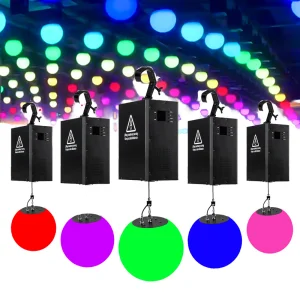
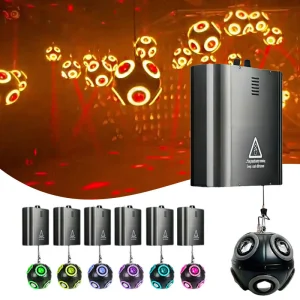
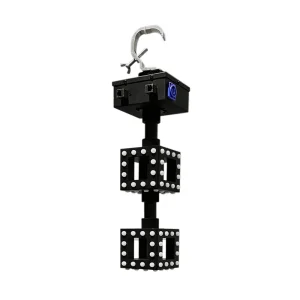
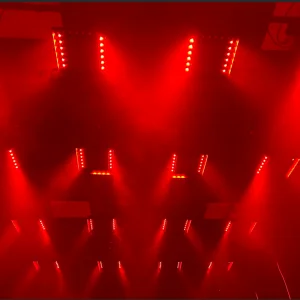
- Kinetic Motion Integration: Multi-axis kinetic winches connected to RGBW spheres and geometric lighting structures are moving light from a 2D plane to 3D volumetric space. Precise motor acceleration curves and high-torque mechanical winches ensure fluid motion transitions without physical pendulum drift.
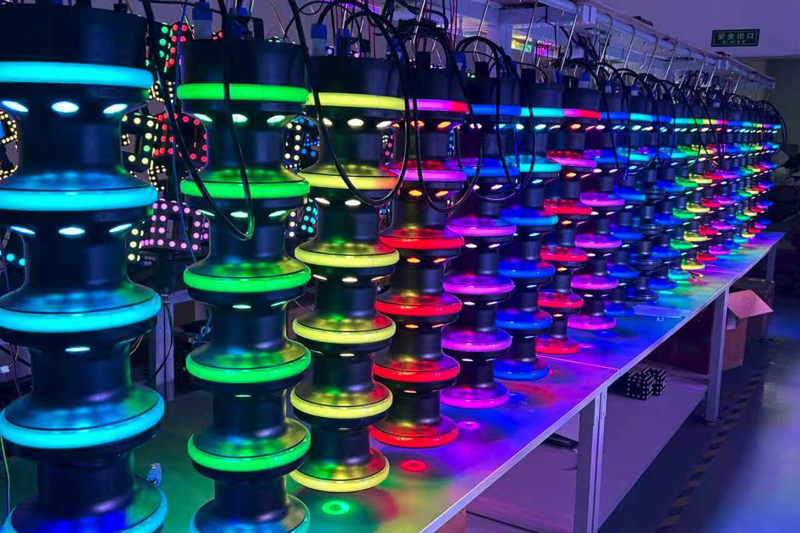
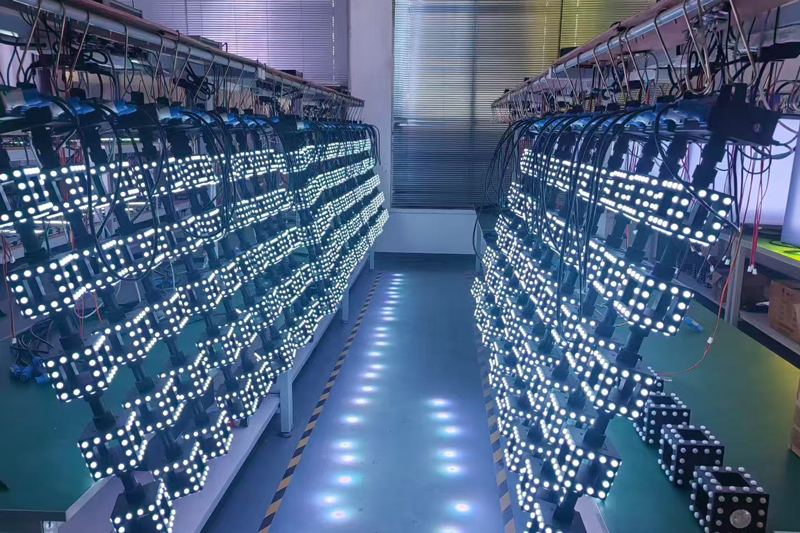
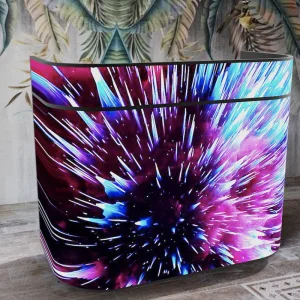
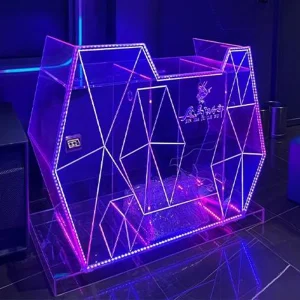
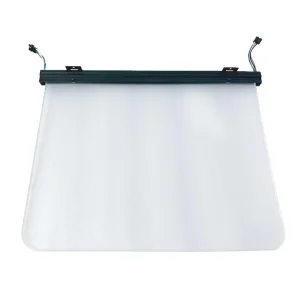
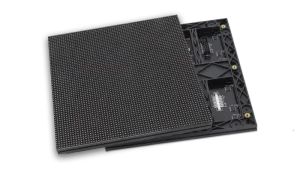
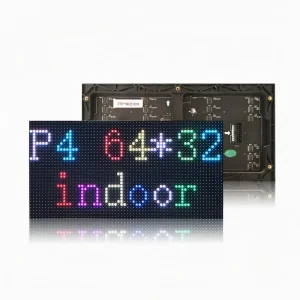
- Ultra-High-Density Pixel Mapping: Utilizing Madrix control nodes and Art-Net protocols, designers are mapping complex volumetric video signals across custom LED pixel grids, transparent acrylic panels, and custom LED desks, converting fixtures into three-dimensional displays.
- Sustainability and Thermal Longevity: High-efficacy LED modules with low energy draw profiles are replacing legacy discharge fixtures. Effective heat dissipation design through copper-core PCBs and automated silent cooling keeps operations silent and functional for over 50,000 continuous hours.
2. Global Procurement Challenges & Technical Audits
Global procurement teams (distributors, AV integrators, club developers) face unique technical friction points when sourcing stage lighting assets at scale. Product selection must bypass simple visual appeal, prioritizing rigorous engineering specifications:
Reliability under continuous load is the ultimate KPI. Systems must be certified under CE, RoHS, and FCC protocols, with kinetic hoist systems featuring mechanical safety locks and fail-safe dual brakes to prevent dynamic failure in overhead public installations. Signal dropouts caused by long-distance cable runs are solved by implementing high-quality optical isolation amplifiers and processing modules, ensuring consistent console-to-fixture signal propagation.