Choosing the right Lighting Solutions begins with understanding how a space is used, not how impressive a fixture looks.
A kitchen needs clear, shadow-controlled light for safe preparation. A bedroom needs softer layers that support rest. Offices require comfortable illumination, reduced glare, and steady visual performance during long work hours. Outdoor areas add weather exposure, security, and maintenance concerns. These details can change the best choice completely.
Lighting designer Randall Whitehead has often described lighting as “the jewelry of architecture.” The comparison is useful, but incomplete. Lighting must enhance a room while serving practical human needs. Color temperature, brightness, beam angle, energy consumption, controls, and fixture placement all deserve careful review. A beautiful pendant may still create harsh reflections on a screen. A bright ceiling panel may leave a hallway feeling cold.
Start with the task.
Then study the people using the space. Older occupants, children, remote workers, and customers may experience the same light differently. Test samples at different times of day whenever possible. Photographs rarely reveal glare accurately.
Professional experience also shows that small planning errors become expensive later. An electrician may need to reopen a ceiling. A poorly selected outdoor fixture may corrode within one season. These outcomes are avoidable, though no recommendation is perfect without seeing the actual environment.
This guide explains how to compare Lighting Solutions with greater confidence. It considers performance, comfort, appearance, installation, sustainability, and long-term value. The goal is not to choose the brightest option. It is to choose light that feels natural, works reliably, and supports the space every day.
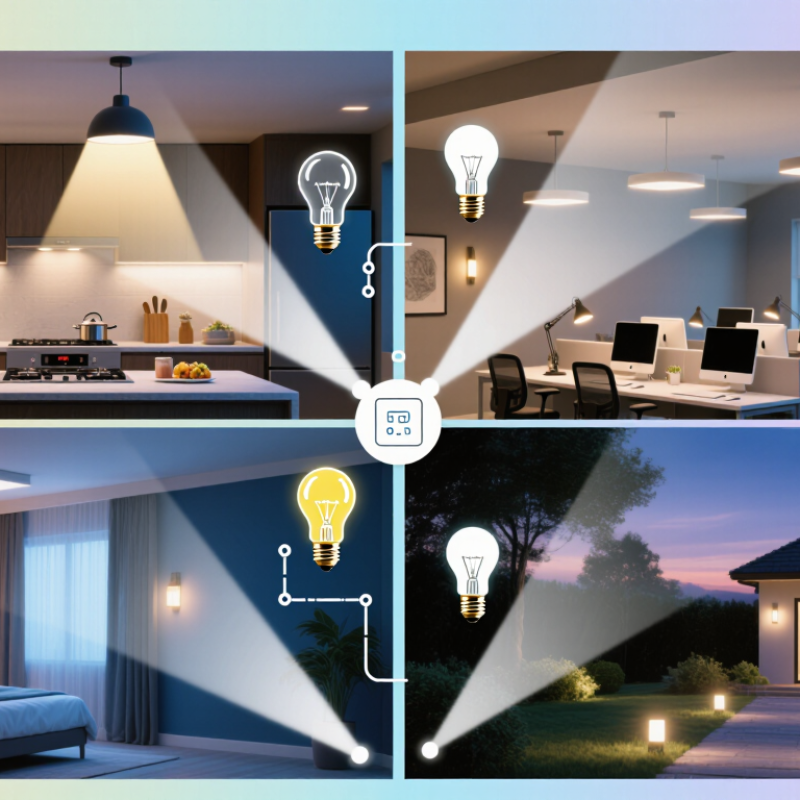
Choosing effective lighting starts with a clear purpose, not a fixture catalog. Define what people will do in each area. Reading needs focused, low-glare light. A kitchen needs bright, even illumination for safer preparation. A bedroom may need softer layers and local controls. Measure the room, ceiling height, window positions, wall colors, and furniture layout. These details shape light distribution and comfort.
The U.S. Department of Energy reports that LED lighting uses at least 75% less energy than incandescent lighting and can last up to 25 times longer. That efficiency matters, but energy savings alone should not decide the design. Consider color temperature, color rendering, dimming, maintenance access, and visual comfort. For offices, the Illuminating Engineering Society commonly recommends about 300–500 lux for general work areas. However, individual needs differ. Older users may require more light, while reflective screens need careful glare control. I have seen efficient lighting fail because the room felt harsh.
Tips: Sketch the space first. Mark task zones, shadows, and viewing directions. Choose layered lighting: ambient, task, and accent. Ask for photometric data before purchasing. Check the Unified Glare Rating when screen work matters. Test one area at different times of day. Real spaces often expose flaws that plans miss. Be willing to revise the layout.
| Space or Task | Primary Lighting Goal | Recommended Illuminance | Suggested Color Temperature | Color Rendering | Approximate Lumens for a 12 m² Room | Distribution and Beam Guidance | Control and Space Considerations |
|---|---|---|---|---|---|---|---|
| Living Room | Flexible ambient lighting for relaxing, entertaining, and general movement. | 100–200 lux | 2,700–3,000 K | CRI 80+; CRI 90+ for artwork and rich furnishings. | 1,200–2,400 lm | Use broad, diffuse light for the room and narrower accent beams for artwork or architectural features. | Combine ceiling, wall, and floor lighting. Use dimming to adjust the atmosphere and account for ceiling height and darker surfaces. |
| Kitchen Preparation Area | Provide clear, shadow-reduced light for food preparation and cleaning. | 300–500 lux | 3,000–4,000 K | CRI 80+; CRI 90+ helps distinguish food colors. | 3,600–6,000 lm | Use wide ambient distribution with focused task lighting under cabinets or above work surfaces. | Place task fixtures in front of the user rather than directly behind them. Select fixtures protected against moisture and grease where appropriate. |
| Dining Area | Create comfortable, flattering illumination while keeping table surfaces functional. | 150–250 lux | 2,700–3,000 K | CRI 90+ is preferable for natural-looking food and skin tones. | 1,800–3,000 lm | Use a centered pendant or several overlapping sources with controlled downward distribution. | Install dimming where possible. Check fixture height and sightlines so the luminaire does not obstruct conversation. |
| Home Office | Support reading, screen work, writing, and sustained visual concentration. | 300–500 lux | 3,000–4,000 K | CRI 80+; CRI 90+ is useful for design and color-sensitive work. | 3,600–6,000 lm | Use uniform ambient light plus an adjustable task light. Choose low-glare optics for areas near displays. | Position lights to reduce reflections on screens and avoid casting hand shadows. Consider occupancy or daylight-responsive controls. |
| Bedroom | Provide calm ambient light for dressing, navigation, and nighttime routines. | 100–200 lux | 2,700–3,000 K | CRI 80+; higher CRI is helpful near mirrors and wardrobes. | 1,200–2,400 lm | Use soft, indirect, or diffused lighting. Add localized reading light instead of increasing overall brightness. | Use independent controls for bedside, wardrobe, and general lighting. Avoid exposed bright sources in the direct field of view. |
| Bathroom Mirror and Grooming Area | Deliver even facial illumination for grooming while limiting shadows. | 300–500 lux | 3,000–4,000 K | CRI 90+ is recommended for accurate skin and cosmetic colors. | 3,600–6,000 lm | Use vertical or side-mounted sources at the mirror, supplemented by ceiling lighting for general illumination. | Follow local wet-location safety requirements. Select suitable ingress protection and keep fixtures outside restricted water zones unless approved. |
| Hallway and Stairway | Support safe circulation, orientation, and changes in level. | 100–200 lux | 2,700–3,500 K | CRI 80+ | 1,200–2,400 lm | Use even, low-glare distribution with additional light on stair treads, landings, and transitions. | Use two-way switching or occupancy sensors. Avoid strong brightness contrasts between connected spaces. |
| Retail Display or Artwork Area | Draw attention to products or visual features without causing glare or damaging sensitive materials. | 300–750 lux | 3,000–4,000 K | CRI 90+; use a suitable R9 value when strong red tones must appear accurately. | 3,600–9,000 lm | Use adjustable spotlights or wall-washers. Aim beams carefully to control reflections and highlight focal points. | Consider tunable output, dimming, UV exposure, heat, and conservation requirements for sensitive artwork or materials. |
| Garage or Workshop | Provide bright, durable light for assembly, repair, storage, and detailed tasks. | 300–750 lux | 4,000–5,000 K | CRI 80+; CRI 90+ for inspection or color-critical work. | 3,600–9,000 lm | Use broad, evenly spaced fixtures and add dedicated task lighting at benches or inspection points. | Account for dust, vibration, temperature, and impact exposure. Select appropriate fixture ratings and maintain clear access to controls. |
Planning note: Approximate lumens are calculated as room area multiplied by target illuminance, before allowing for fixture efficiency, ceiling height, surface reflectance, dirt depreciation, and light loss over time. Local building, electrical, accessibility, and wet-location requirements should be checked before installation.
Appearance can mislead. Compare brightness, energy use, comfort, lifespan, and maintenance needs.
Lumens measure brightness. Watts measure energy use. They are not interchangeable.
LED fixtures often provide strong efficiency and long service life. Still, compare actual lumens per watt.
It can suit large areas needing even illumination. Frequent switching may feel less comfortable.
Halogen light looks warm and vivid. It produces more heat and usually consumes more energy.
A reading corner may need about 400–600 lumens. A workbench often needs more.
Around 2700K feels calm. Between 3500K and 4000K can support focused activity.
A high rating helps people judge skin, food, fabric, and paint accurately. Detailed work may need 90 or above.
Test the fixture at night from seated and standing positions. Adjust its height, diffusion, or beam angle.
Confirm weather protection, safety certification, warranty terms, and replacement access. Small details matter.
Choosing the right Lighting Solutions begins with understanding your goals and the requirements of your space. Consider whether you need general illumination, task lighting, accent lighting, or a combination of these. Then compare different lighting types and technologies by examining their performance, lifespan, control options, and suitability for each area. Pay close attention to brightness, color quality, and energy efficiency to create a comfortable environment while managing long-term operating costs.
The best choice should also match the function of the room. Kitchens, offices, bedrooms, and outdoor areas may require different fixture styles, light levels, and control methods. Before making a final decision, establish a realistic budget that includes products, installation, and future maintenance. Verify that the fixtures can be installed safely in the intended location and that replacement parts, cleaning, and servicing will remain practical over time. A thoughtful evaluation will help you achieve reliable, comfortable, and efficient lighting.

 Xiaosan Light