How to Choose Event Lighting in 2026?

Time:2026-09-19 Author:Charlotte
0%

Choosing Event Lighting in 2026 means balancing atmosphere, technology, safety, and practical control. A beautiful venue can still feel uncomfortable when fixtures create glare, harsh shadows, or excessive heat. Reliable lighting should support the event’s purpose, not compete with the people, products, or performances.

Experience matters here. After seeing lighting plans succeed and fail in real venues, I have learned that small details often decide the result. A warm wash can make dinner tables feel inviting, while carefully positioned spotlights can keep a speaker’s face clear from the back row. Battery-powered fixtures may simplify installation, but their runtime must match the event schedule. Wireless systems are flexible, yet they still need testing around crowded spaces and competing signals.

There is no perfect setup.

This guide will examine brightness, color temperature, fixture types, control systems, energy use, accessibility, and venue restrictions. It will also consider newer 2026 options, including smarter automation and lower-energy LED equipment. However, new features should not replace professional judgment. A dramatic effect may look impressive during rehearsal but distract guests during the actual program. I sometimes choose a simpler design after reviewing the room again. That decision can feel less exciting, but it is often more dependable.

The right Event Lighting plan begins with clear goals, accurate measurements, and honest conversations with suppliers. It should include backup equipment, safe cable management, and a realistic budget. Careful preparation creates confidence, while thoughtful flexibility protects the event when conditions change.
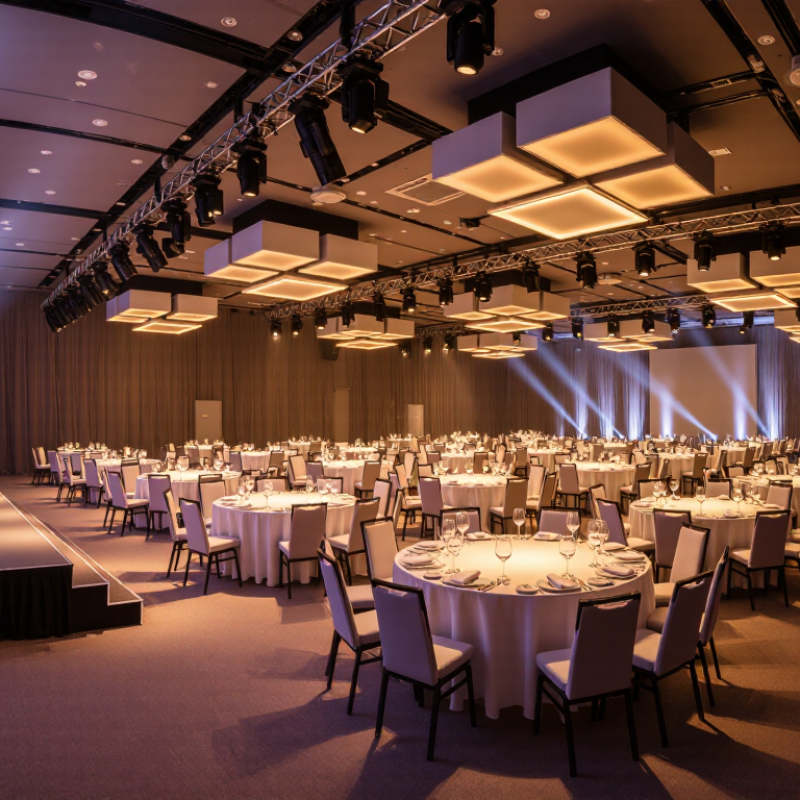
How to Choose Event Lighting in 2026?

Understanding Event Lighting Types and Their Uses

How to Choose Event Lighting in 2026? Understanding Event Lighting Types and Their Uses

Event lighting should match the room’s purpose, not merely make everything brighter. Use ambient lighting for general visibility, especially around entrances, aisles, and dining areas. Accent lighting can highlight floral arrangements, stage edges, artwork, or textured walls. For speeches, choose soft front light with controlled beam angles. Harsh overhead light often makes faces look tired on camera. Wash lights create broad color fields, while moving fixtures support performances and room transitions.

I still over-light small venues sometimes. More brightness does not always create more energy.

LED fixtures remain practical for touring events and temporary installations. The U.S. Department of Energy reports that quality LED lighting uses at least 75% less energy and lasts up to 25 times longer than incandescent lighting. DOE’s Solid-State Lighting R&D report also documents LED package efficiencies above 200 lumens per watt in laboratory conditions.

Real event performance is lower, because optics, dimming, heat, and power supplies matter. Check color rendering, flicker performance, noise, and emergency access before confirming equipment. A 2024 Freeman event trends report emphasizes stronger attendee expectations for memorable, sensory experiences. That supports layered lighting, but not careless spectacle. Test the room from the audience’s seats. Then review the result honestly.

Assessing Venue, Audience, and Event Requirements

How to Choose Event Lighting in 2026?

Assessing Venue, Audience, and Event Requirements

Begin with the venue, not the fixture list. Measure ceiling height, rigging points, power access, window glare, and emergency pathways. A ballroom with polished floors may need softer side light to control reflections. A small gallery may require narrow beams and lower output. The U.S. Department of Energy reports that LED lighting uses at least 75% less energy than incandescent lighting and lasts up to 25 times longer. That advantage matters when events run for several days. Still, efficient does not mean suitable.

Study the audience carefully. The World Health Organization estimates that 1.3 billion people, or 16% of the global population, experience significant disability. Avoid harsh contrast, rapid effects, and dark walkways. Provide even illumination around entrances, seating, and registration desks. Use warmer front light for conversation, but test skin tones through the event camera. Some guests need calm, consistent brightness. Others expect visual drama. The room must support both.

Match lighting to the event’s real work. A panel discussion needs readable faces and low screen spill. A product demonstration needs controlled highlights and accurate color. A networking reception needs flattering light across standing faces. I still sometimes over-light early rehearsals, then reduce intensity after seeing the room through a guest’s eyes. That mistake is useful. Request a lighting plot, a power plan, and an on-site test before approval. Ask the operator to check flicker at common camera shutter speeds. Beautiful light can still fail the audience.

Choosing Fixtures, Colors, and Lighting Effects

How to Choose Event Lighting in 2026?

Choosing Fixtures, Colors, and Lighting Effects

Choosing event lighting starts with the room, not the fixture catalog. Measure the ceiling height, stage width, audience area, and available power. In my venue tests, compact LED fixtures worked well for low ceilings and quick changes. Larger spaces needed stronger beams and wider lenses. Check noise levels too. A quiet fixture matters during speeches.

Color should support the event’s purpose and audience. Warm white light can make dinner tables feel intimate and welcoming. Cooler white light often suits exhibitions, product launches, and formal presentations. Avoid flooding every surface with saturated color. It can distort skin tones and make photographs look harsh. Test colors beside the stage backdrop, table linens, and printed materials. Cameras reveal problems that the eye may ignore.

Lighting effects should create movement without stealing attention. Use slow fades for arrivals, gentle texture for walls, and controlled beams for musical moments. Keep effects away from presenters’ faces. Rapid changes may feel exciting, but they can also cause discomfort.

I once used too much blue during a panel session; the room looked modern, yet every speaker appeared tired. That mistake changed my testing process.

Watch the room from several seats, not only from the control desk. Confirm fixture placement, color consistency, emergency access, and backup settings with the venue team before guests arrive.

Planning Power, Controls, Safety, and Sustainability

How to Choose Event Lighting in 2026?

Planning begins with power, not color. List every fixture, console, dimmer, distribution box, and cable length. Calculate running load, startup demand, and a sensible reserve. A venue’s 63-amp supply may look generous, but catering, screens, heating, and lighting can share it. Use separate circuits where possible.

The U.S. Department of Energy reports that LED lighting uses at least 75% less energy than incandescent lighting and can last up to 25 times longer. That benefit disappears when fixtures run unnecessarily at full output.

Controls should remain understandable under pressure. Choose systems with clear addressing, reliable signal paths, and local manual control. Label every cable. Keep a tested backup scene on the console. Wireless control can reduce floor cables, but crowded venues may create interference.

I have seen a beautiful lighting plan fail because one unlabelled data cable was moved during staging. It was preventable.

Safety needs practical checks. Inspect connectors, cable ramps, rigging points, and residual-current protection before guests enter. Keep heat-producing units away from curtains and blocked ventilation.

The Event Safety Alliance identifies electrical distribution, trip hazards, and emergency planning as core event-safety concerns.

Sustainability also requires measurement. Record kilowatt-hours, fixture hours, transport loads, and reusable materials. Dimming helps, though designers often over-light spaces “just in case.” That habit deserves another look. Efficiency is not only equipment choice; it is disciplined operation.

Comparing Equipment, Costs, and Professional Support

How to Choose Event Lighting in 2026?

Choosing event lighting in 2026 starts with the venue, not the equipment list. A small product launch may need soft LED panels, focused spotlights, and gentle background color. A concert or outdoor ceremony needs brighter fixtures, weather protection, backup power, and reliable control systems. Wireless equipment can reduce visible cables, but signal interference remains a practical concern. Test it inside the actual venue.

Costs include more than daily rental fees. Ask about delivery, installation, programming, operation, removal, taxes, and overtime. A low quotation may exclude essential labor. My first event estimate was wrong because I ignored setup time around a narrow loading entrance. Measure access points, ceiling height, power outlets, and rigging limits before approving a budget. Keep a contingency fund of about ten percent for replacements or schedule changes.

Professional support often determines whether lighting feels polished or distracting. An experienced technician should review the floor plan, power demand, audience sightlines, and emergency access. Request a written equipment list and a clear responsibility schedule. Ask who operates the system during speeches, performances, and unexpected pauses. Good support is quiet but prepared. Still, do not assume every technician understands your event; explain the mood, camera needs, and critical moments. A short on-site rehearsal can reveal harsh shadows, noisy fixtures, or colors that look different on camera. Some plans will need revision. That is normal.

FAQS

What is the main purpose of event lighting?

Event lighting should support the room’s purpose, not simply make everything brighter. Visibility matters.

Which lighting works best for general visibility?

Ambient lighting helps guests move safely around entrances, aisles, registration desks, and dining areas. Keep walkways clear and evenly lit.

When should accent lighting be used?

Accent lighting can highlight flowers, artwork, stage edges, or textured walls. Use narrow beams when details need attention.

How should lighting support speeches and panel discussions?

Use soft front light with controlled beam angles. Keep faces readable, while limiting spill onto presentation screens.

What lighting suits networking receptions?

Choose flattering, even light for standing faces. Warmer tones can support conversation, but test skin colors on camera.

Are LED fixtures suitable for temporary events?

They usually use less energy and last longer than older lighting types. Still, inspect color quality, flicker, heat, and fan noise.

How should venue conditions affect lighting choices?

Measure ceiling height, rigging points, power access, window glare, and emergency pathways. Polished floors may need softer side light.

How can lighting remain comfortable for different guests?

Avoid harsh contrast, rapid effects, and dark walkways. Some guests prefer calm, consistent brightness. Drama is not always better.

Why is an on-site lighting test important?

Test the room from audience seats and through event cameras. I sometimes over-light rehearsals, then regret it later.

What should be checked before approving the lighting plan?

Request a lighting plot, power plan, and on-site test. Check flicker at common camera settings. Small details can still fail the event.

Conclusion

Choosing Event Lighting in 2026 begins with understanding how different lighting types support the mood, function, and visual identity of an occasion. Ambient lighting creates overall comfort, while accent, task, decorative, and dynamic lighting can highlight key areas, guide attention, and add energy. The venue’s size, architecture, natural light, audience needs, schedule, and event format should shape every decision. Fixtures, colors, brightness, movement, and effects should work together without causing glare, distraction, or discomfort.

A successful lighting plan also considers power distribution, control systems, equipment placement, accessibility, emergency safety, and energy efficiency. LED-based solutions, smart controls, reusable components, and careful scheduling can help reduce waste and operating costs. When comparing options, evaluate equipment quality, rental or purchase costs, setup requirements, maintenance, and technical support rather than focusing only on the initial price. Professional assistance can improve reliability, coordinate lighting with other event systems, and ensure the final design is safe, practical, sustainable, and visually engaging.


Charlotte

Charlotte

Charlotte is a seasoned marketing professional with a deep understanding of the company's portfolio and a passion for elevating its presence in the market. With a keen eye for detail and a commitment to excellence, she ensures that our professional blog is regularly updated with insightful articles......